A homeowner once stood in a flooring showroom, torn between two beautiful patterns both looked similar, yet something felt different. One had a broken zigzag flow, while the other formed perfect “V” shapes. This common confusion highlights the difference between herringbone and chevron. These two classic patterns are widely used in flooring, fashion, and interior design, yet they are often mistaken for each other. Understanding the difference between herringbone and chevron helps you make better design choices. The difference between herringbone and chevron lies in how the pieces are cut and arranged. Whether you’re renovating your home or choosing a stylish outfit, knowing the difference between herringbone and chevron can elevate your aesthetic decisions.
Pronunciation (US & UK)
- Herringbone
- US: /ˈhɛrɪŋˌboʊn/
- UK: /ˈherɪŋbəʊn/
- Chevron
- US: /ˈʃɛvrən/
- UK: /ˈʃɛvrən/
Now, let’s move into the details to clearly distinguish these iconic patterns.
Key Difference Between Herringbone and Chevron
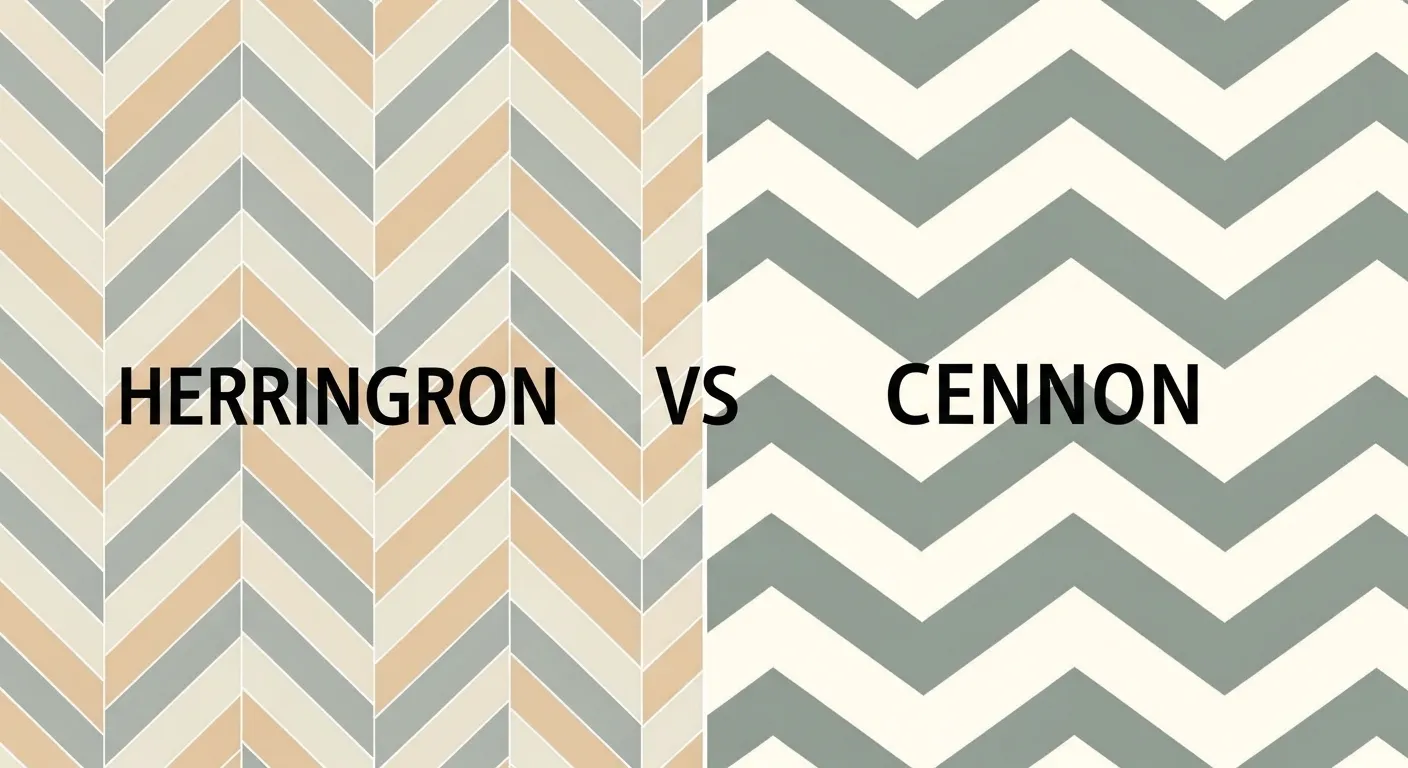
Herringbone is a pattern made of rectangular pieces arranged in a staggered zigzag layout.
Chevron is a pattern where pieces are cut at an angle and meet to form continuous “V” shapes.
Why Is It Important to Know Their Difference?
Understanding the difference between herringbone and chevron is essential for designers, architects, and homeowners. It helps in selecting the right pattern for flooring, walls, or fabrics. In society, these patterns influence trends in fashion and interior design. Knowing their differences ensures better aesthetic harmony and avoids costly design mistakes.
H2: Difference Between Herringbone and Chevron
1. Pattern Shape
- Herringbone: Broken zigzag pattern.
- Example 1: Looks like a series of staggered steps.
- Example 2: Common in parquet flooring.
- Chevron: Continuous “V” shape.
- Example 1: Sharp, clean zigzag lines.
- Example 2: Seen in modern wall designs.
2. Cut of Material
- Herringbone: Rectangular pieces with straight ends.
- Example 1: Wood planks cut at 90°.
- Example 2: Tiles laid without angled cuts.
- Chevron: Ends cut at angles (usually 45° or 60°).
- Example 1: Wood planks cut diagonally.
- Example 2: Tiles shaped to form perfect points.
3. Visual Flow
- Herringbone: Broken, staggered flow.
- Example 1: Creates a textured look.
- Example 2: Adds subtle movement.
- Chevron: Smooth, continuous flow.
- Example 1: Creates a sense of direction.
- Example 2: Looks more uniform.
4. Installation Complexity
- Herringbone: Easier to install.
- Example 1: No angled cutting required.
- Example 2: Less material waste.
- Chevron: More complex installation.
- Example 1: Requires precise angled cuts.
- Example 2: Needs skilled labor.
5. Cost
- Herringbone: Generally less expensive.
- Example 1: Lower labor cost.
- Example 2: Less waste material.
- Chevron: More expensive.
- Example 1: Higher labor charges.
- Example 2: Custom-cut materials.
6. Style Appeal
- Herringbone: Classic and traditional.
- Example 1: Used in vintage interiors.
- Example 2: Common in formal spaces.
- Chevron: Modern and stylish.
- Example 1: Popular in contemporary homes.
- Example 2: Used in trendy designs.
7. Common Uses
- Herringbone: Flooring, suits, upholstery.
- Example 1: Wool jackets.
- Example 2: Wooden floors.
- Chevron: Flooring, tiles, wallpapers.
- Example 1: Kitchen backsplashes.
- Example 2: Decorative walls.
8. Symmetry
- Herringbone: Less symmetrical.
- Example 1: Offset pattern.
- Example 2: Irregular visual rhythm.
- Chevron: Highly symmetrical.
- Example 1: Perfect alignment.
- Example 2: Mirror-like pattern.
9. Visual Impact
- Herringbone: Subtle elegance.
- Example 1: Soft texture effect.
- Example 2: Understated design.
- Chevron: Bold and striking.
- Example 1: Strong visual lines.
- Example 2: Eye-catching pattern.
10. Historical Use
- Herringbone: Ancient Roman roads and textiles.
- Example 1: Used in brickwork.
- Example 2: Traditional fabrics.
- Chevron: Heraldry and military insignia.
- Example 1: Rank symbols.
- Example 2: Decorative motifs.
Nature and Behaviour
- Herringbone: Traditional, textured, and subtle in appearance.
- Chevron: Modern, sharp, and visually bold.
Why Are People Confused?
People often confuse herringbone and chevron because both feature zigzag patterns. However, the key difference lies in the alignment—herringbone has a broken zigzag, while chevron forms continuous “V” shapes.
Table: Difference and Similarity
| Aspect | Herringbone | Chevron | Similarity |
| Pattern | Broken zigzag | Continuous V-shape | Zigzag style |
| Cut | Straight ends | Angled ends | Geometric design |
| Style | Classic | Modern | Decorative use |
| Cost | Lower | Higher | Used in interiors |
| Installation | Easier | Complex | Require planning |
Which Is Better in What Situation?
Herringbone is better for traditional or classic interiors. It adds warmth and subtle elegance without overwhelming the space. It’s also a practical choice when you want a stylish look without high installation costs.
Chevron is ideal for modern and bold designs. It creates a strong visual impact and works well in contemporary homes or feature walls. If you want a striking and symmetrical pattern, chevron is the better option.
Metaphors and Similes
- Herringbone: “Like a woven fabric of subtle movement.”
- Chevron: “Like arrows pointing forward in perfect alignment.”
Connotative Meaning
- Herringbone: Positive (classic, timeless)
- Example: “The herringbone floor gave a timeless charm.”
- Chevron: Positive (modern, dynamic)
- Example: “Chevron patterns added energy to the room.”
Idioms and Proverbs
(Direct idioms are rare, but symbolic expressions can apply)
- “Follow the pattern”
- Example: Designers follow the pattern of chevron for symmetry.
Works in Literature (Design & Pattern References)
- The Decoration of Houses (Design, Edith Wharton, 1897)
- A Pattern Language (Architecture, Christopher Alexander, 1977)
Design Appearances in Media
- The Great Gatsby (2013, USA) – Art Deco interiors featuring geometric patterns
- Mad Men (TV Series, 2007–2015, USA) – Mid-century design elements
FAQs
1. What is the main difference between herringbone and chevron?
Herringbone has a broken zigzag pattern, while chevron forms continuous V-shapes.
2. Which is more expensive?
Chevron is usually more expensive due to complex installation.
3. Which is easier to install?
Herringbone is easier to install.
4. Is Chevron more modern?
Yes, Chevron is considered more modern and bold.
5. Can both be used in flooring?
Yes, both are popular flooring patterns.
How Both Are Useful for the Surroundings
Both patterns enhance interior and fashion design by adding texture, movement, and visual appeal. They help create stylish and functional spaces.
Final Words
Herringbone and chevron are timeless patterns with unique characteristics. Choosing between them depends on your style preference and design goals.
Conclusion
In conclusion, the difference between herringbone and chevron lies in their structure, style, and visual impact. Herringbone offers a classic, subtle elegance, while chevron delivers a bold, modern look. Both patterns have their place in design, and understanding their differences allows you to make better aesthetic choices. Whether for flooring, fashion, or décor, selecting the right pattern can transform your space and style.